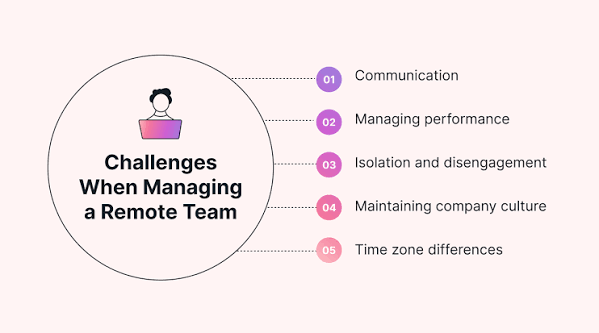
Leading remote teams brings a very different set of challenges than managing people in a shared office. The usual informal signals — body language, hallway conversations — mostly disappear, and leaders have to build new habits to compensate.
The Core Challenge: Invisible Struggles
Quick answer: the biggest challenge in leading remote teams is that struggles — confusion, disengagement, burnout — become far less visible without regular in-person interaction, requiring leaders to build more deliberate check-in habits than they would in an office setting.
Over-Communicate Expectations Clearly
I’ve noticed remote misunderstandings often trace back to assumptions that would’ve been quickly clarified in an office hallway conversation, but linger unresolved for days in a remote setting. Being explicit, even when it feels excessive, prevents this.
Build Regular, Genuine Check-Ins
- Weekly one-on-ones focused on more than just task status updates
- Occasional informal, non-work conversations to maintain genuine connection
- Clear, accessible channels for team members to raise concerns without waiting for a scheduled meeting
Trust Outcomes Over Visible Activity
Leading remote teams well requires shifting away from judging effort based on visible activity, like constant online status, toward genuinely evaluating outcomes and results instead.
Watch for Signs of Isolation
Remote work can be genuinely isolating for some team members, even if they don’t say so directly. Regularly checking in about workload and general wellbeing, not just deliverables, helps catch this early.
A Real Example Worth Considering
Picture a manager based in Jaipur leading a fully remote team spread across different cities, who noticed one usually engaged team member had gone unusually quiet in meetings for a couple of weeks. A direct, private check-in revealed genuine burnout that hadn’t been visible through regular task updates alone — something that would’ve been obvious in an office setting far sooner.
[link to related guide about preventing burnout in distributed teams here]
Adapt Meeting Structures for Remote Realities
Long, unstructured remote meetings tend to lose engagement fast. Shorter, clearly agenda-driven meetings, with genuine space for questions, tend to work significantly better for leading remote teams effectively.
[Suggested image alt text: “manager leading a remote team video call meeting”]
FAQ
What’s the biggest mistake leaders make when leading remote teams? Judging engagement or productivity based on visible activity, like online status, rather than actual results.
How often should remote team check-ins happen? Weekly one-on-ones are a reasonable baseline, supplemented by accessible informal communication channels as needed.
Can remote teams build genuine trust without in-person interaction? Yes, though it requires more deliberate effort through consistent communication and occasional non-work interactions.
How do I recognize burnout in a remote team member? Watch for changes in engagement, communication frequency, or noticeable shifts in usual behavior during meetings.
Should remote meetings be shorter than in-person ones? Generally yes — remote engagement drops faster in long, unstructured meetings compared to focused, agenda-driven ones.
Conclusion
Leading remote teams well requires replacing the informal signals of an office with deliberate, consistent communication and genuine check-ins. Trust outcomes over visible activity, watch closely for signs of isolation or burnout, and your remote team can function just as cohesively as one sharing a physical space.