Ask most business owners to explain their own balance sheet, and you’ll get a lot of nervous laughter. Learning how to read a balance sheet doesn’t require an accounting degree — just an understanding of a few core concepts.
The Basic Structure
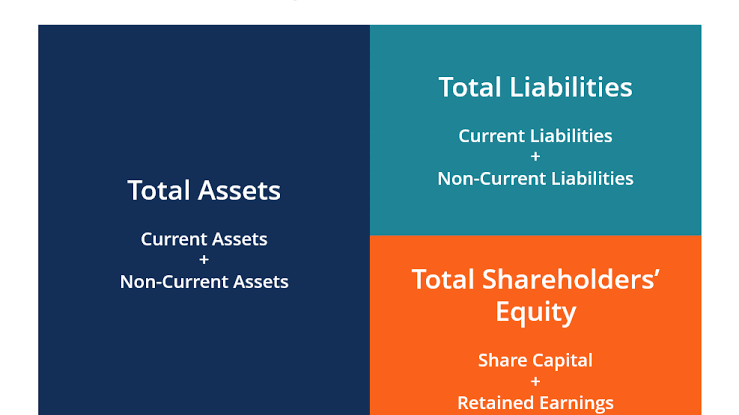
In short: learning how to read a balance sheet mainly means understanding three sections — assets (what the business owns), liabilities (what it owes), and equity (what’s left over for the owners once liabilities are subtracted).
Assets: What the Business Actually Owns
This includes cash, inventory, equipment, and money owed to the business by customers. Assets are typically listed from most liquid — cash — to least liquid, like property or equipment.
Liabilities: What the Business Owes
- Loans and outstanding debts owed to lenders
- Unpaid supplier invoices, often called accounts payable
- Taxes owed but not yet paid
Liabilities show what obligations the business needs to settle, and understanding this helps you judge real financial risk, not just apparent success.
Equity: What’s Genuinely Left Over
I’ve noticed business owners sometimes confuse revenue with equity, but they’re very different things. Equity reflects the actual net worth of the business — assets minus liabilities — after everything owed is accounted for.
Why the Balance Sheet Always Balances
The name isn’t accidental — assets should always equal liabilities plus equity. If it doesn’t balance, something’s been recorded incorrectly somewhere, which is actually a useful built-in error check.
A Real Example Worth Considering
Picture a small retail shop owner in Jaipur who assumed her business was doing fine because sales looked strong monthly. Once she finally reviewed her balance sheet properly, she realized a large chunk of her assets were tied up in slow-moving inventory, not actual cash — a detail her profit and loss statement alone hadn’t revealed clearly.
[link to related guide about understanding cash flow versus profit here]
What to Watch for as a Warning Sign
A balance sheet showing liabilities growing consistently faster than assets over several months is worth investigating closely, even if monthly revenue still looks healthy on paper.
[Suggested image alt text: “business owner reviewing a balance sheet with a laptop and calculator”]
FAQ
Do I need accounting software to read a balance sheet? Not necessarily to understand the basics, though software makes generating and reviewing one significantly easier for ongoing use.
How often should I review my business’s balance sheet? Monthly is a reasonable minimum, allowing you to catch financial trends before they become serious problems.
What’s the difference between a balance sheet and a profit and loss statement? A balance sheet shows overall financial position at a point in time; a profit and loss statement shows performance over a specific period.
Why does a balance sheet always need to balance? Because assets are always financed by either liabilities or owner equity — the equation itself is a fundamental accounting principle.
Can a business be profitable but still have a weak balance sheet? Yes, especially if assets are tied up in slow-moving inventory or unpaid customer invoices rather than actual cash.
Conclusion
Learning how to read a balance sheet genuinely changes how clearly you understand your own business, beyond just watching monthly sales numbers. Get comfortable with the basic structure — assets, liabilities, and equity — and review it regularly alongside your other financial reports for a fuller, more honest picture.