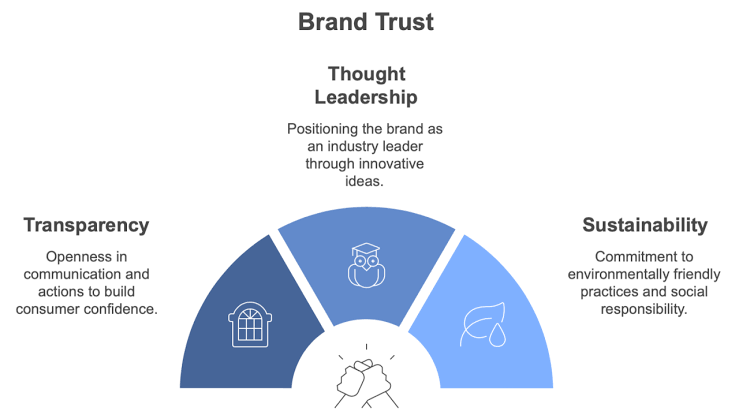
Corporate social responsibility used to feel like something only massive companies bothered with, tucked into an annual report nobody read. That’s changed — customers, especially younger ones, actually notice and remember how businesses behave beyond just selling products.
Why CSR Matters More Than It Used To
In short: corporate social responsibility builds brand trust because customers increasingly evaluate businesses not just on product quality, but on whether the company’s actions genuinely reflect stated values around community, environment, and fairness.
Authenticity Matters More Than Scale
I’ve noticed small, genuine CSR efforts often build more trust than large but obviously performative gestures from bigger companies. Customers can usually tell the difference between real commitment and a marketing checkbox.
Common Forms of Corporate Social Responsibility
- Local community involvement, like sponsoring nearby events or supporting local causes
- Environmentally responsible sourcing or reduced packaging waste
- Fair treatment and transparent policies toward employees and suppliers
- Genuine charitable partnerships tied to the business’s actual values, not random causes
The Risk of Performative CSR
Customers respond negatively when corporate social responsibility efforts feel disconnected from a company’s actual practices — a business publicly supporting environmental causes while ignoring its own wasteful operations tends to damage trust rather than build it.
How Small Businesses Can Practice Genuine CSR
You don’t need a massive budget to practice meaningful corporate social responsibility. Consistent, smaller local efforts, genuinely aligned with your business’s actual values, often resonate more than one large, one-time gesture.
A Real Example Worth Considering
Picture a small bakery in Jaipur that started donating unsold bread daily to a local shelter, quietly, without heavy promotion initially. Once customers noticed organically, it became a genuine differentiator that built real loyalty, precisely because it felt authentic rather than staged for marketing purposes.
[link to related guide about building authentic brand storytelling here]
Measuring Whether CSR Actually Builds Trust
Customer feedback, repeat purchase behavior, and how customers describe your brand in reviews all offer honest signals about whether your corporate social responsibility efforts are genuinely landing, beyond just internal satisfaction.
[Suggested image alt text: “small business team participating in a local corporate social responsibility initiative”]
FAQ
Do small businesses need a formal CSR program? Not necessarily formal, but consistent, genuine efforts aligned with real business values matter more than a polished official program.
Can corporate social responsibility actually increase sales? Indirectly, yes — it often builds trust and loyalty, which supports repeat purchases and positive word-of-mouth over time.
How do customers tell the difference between genuine and performative CSR? Consistency matters — genuine efforts tend to continue quietly over time, while performative ones often appear only around marketing moments.
Should corporate social responsibility efforts be publicized heavily? Some visibility helps, but overly promotional CSR messaging can backfire and feel insincere to skeptical customers.
Is environmental responsibility the main focus of CSR? It’s one common focus, but corporate social responsibility also includes fair labor practices, community involvement, and ethical sourcing broadly.
Conclusion
Genuine corporate social responsibility builds brand trust precisely because it goes beyond marketing — customers notice when a business’s actions consistently reflect its stated values. Start with authentic, sustainable efforts aligned with your actual business practices, and trust tends to build naturally over time, without needing a large promotional push.