Introduction
SEO advice from five years ago just doesn’t hold up anymore. Google’s gotten a lot smarter about detecting keyword stuffing, thin content, and manipulative link schemes. These SEO tips 2026 focus on what’s genuinely working right now, based on real ranking patterns I’ve observed across different niches. If you’re still doing SEO the old way, some of this might surprise you.
1. Prioritize Search Intent Over Keyword Density
Stuffing keywords everywhere doesn’t work anymore, and honestly it hasn’t for years. Google cares far more about whether your content actually satisfies what the searcher wanted.
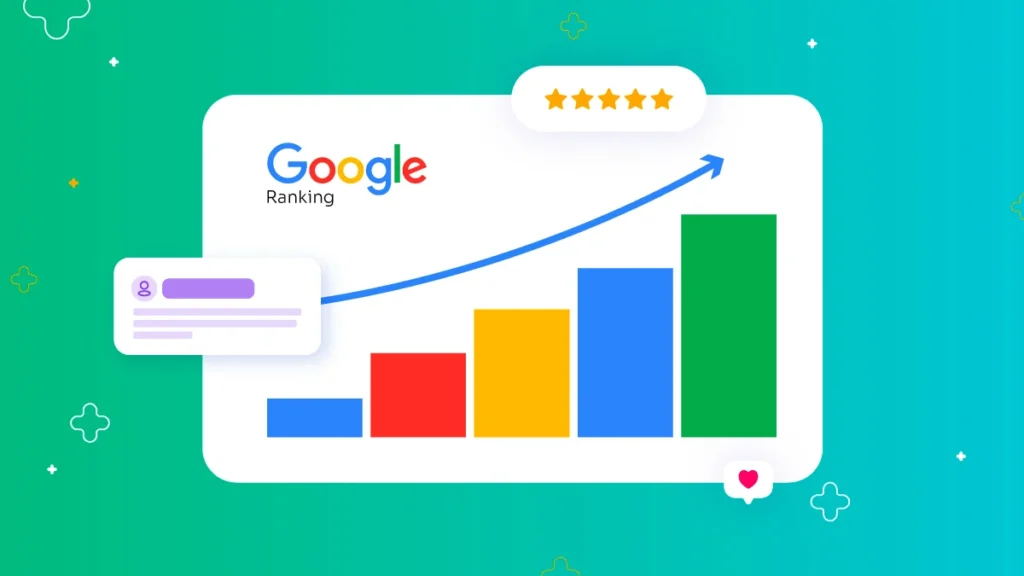
Direct answer: The most important SEO tips for 2026 focus on matching search intent precisely, building genuine topical authority, and earning quality backlinks — keyword stuffing and thin content actively hurt rankings now.
2. Build Topical Authority, Not Just Individual Pages
Google increasingly rewards sites that cover a topic comprehensively across multiple interlinked pages, rather than one isolated article trying to rank alone.
3. Focus on E-E-A-T (Experience, Expertise, Authority, Trust)
Google explicitly evaluates whether content demonstrates real experience and expertise, especially for topics affecting health, finance, or safety. Generic, unattributed content struggles increasingly to rank well.
4. Optimize for Featured Snippets
Structure content with clear, concise answers right after headings — this dramatically increases your chances of being pulled into Google’s featured snippet box, which drives significant extra traffic.
Picture a small law firm’s website that restructured its blog posts to include direct 40-50 word answers right after each H2. Within three months, several posts started appearing in featured snippets, roughly doubling organic click-through rates on those pages.
5. Improve Core Web Vitals
Page speed, visual stability, and interactivity all factor directly into rankings now. A beautifully written article that loads slowly on mobile still loses to a faster-loading competitor.
6. Internal Linking Strategy
Linking related articles together, using descriptive anchor text, helps Google understand your site structure and passes authority between pages effectively.
7. Earn Backlinks Through Genuine Value
Guest posting and outreach still work, but only when the content genuinely deserves a link. Low-quality link schemes carry real penalty risk now, more than they used to.
8. Optimize for Voice and Conversational Search
More searches now happen through voice assistants using natural, conversational phrasing. Structuring some content around question-based headings captures this growing search behavior.
9. Update Old Content Regularly
Stale content with outdated information or statistics loses rankings over time. Regularly refreshing your best-performing older posts often yields better ROI than constantly publishing new content.
10. Mobile-First Optimization
Google indexes the mobile version of your site primarily now, so a site that looks great on desktop but breaks on mobile faces real ranking penalties.
Common SEO Mistakes to Avoid
- Chasing every algorithm update instead of focusing on fundamentally good content
- Ignoring technical SEO issues like broken links and slow load times
- Buying low-quality backlinks that risk penalties rather than helping rankings
FAQ
Q: How long does SEO take to show results? A: Typically 4-6 months for meaningful ranking improvements, though highly competitive keywords can take significantly longer.
Q: Is keyword research still important in 2026? A: Yes, understanding search volume and intent remains foundational, though the focus has shifted from keyword density to genuinely answering searcher needs.
Q: Do backlinks still matter for SEO rankings? A: Yes, quality backlinks remain a significant ranking factor, though quality now matters far more than sheer quantity.
Q: What’s the difference between on-page and technical SEO? A: On-page SEO involves content and keyword optimization, while technical SEO covers site speed, mobile-friendliness, and crawlability.
Q: Can small businesses compete with large companies in SEO? A: Yes, especially by targeting specific, lower-competition local or niche keywords rather than competing directly on broad, high-competition terms.
Q: How often should I update my website’s content for SEO? A: Reviewing and refreshing key pages every 6-12 months helps maintain rankings, especially for time-sensitive or statistic-heavy content.
Conclusion
These SEO tips 2026 reflect where Google’s algorithm actually stands now, not outdated tactics that quietly stopped working years ago. [link to related guide on social media marketing strategy here] Start by auditing your top three pages against this list this week, and fix whatever gaps you find before publishing anything new.
Suggested alt text: “SEO analyst reviewing search rankings and keyword performance dashboard”