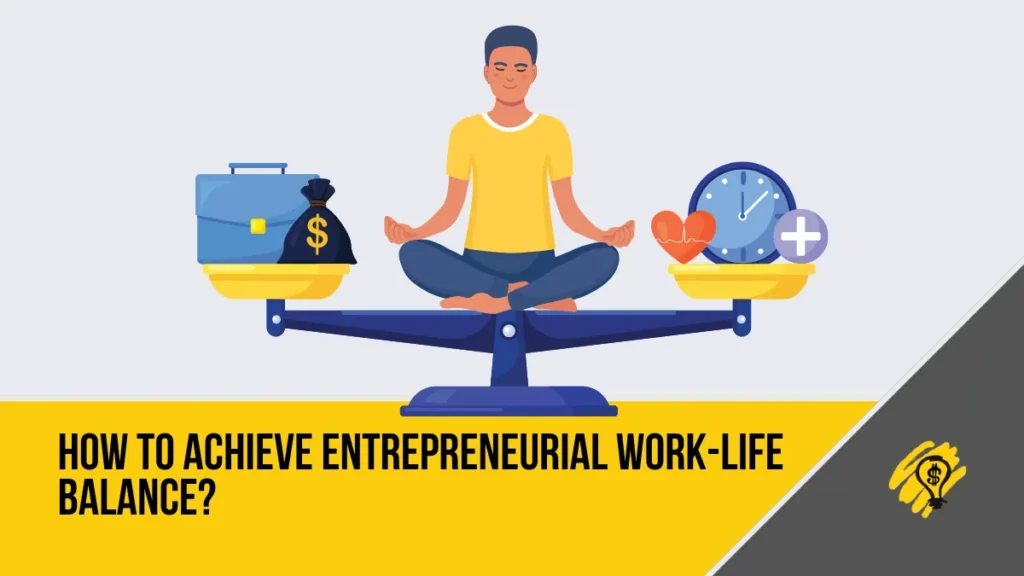
Ask any first-time founder about entrepreneur work life balance and you’ll probably get a tired laugh. It’s one of those things everyone knows matters but almost nobody actually manages well in the early years.
Why Balance Feels Impossible Early On
Quick answer: entrepreneur work life balance feels especially difficult in the first year or two because the business genuinely does need disproportionate attention early on — the goal isn’t perfect balance immediately, but preventing complete burnout while building.
Set Boundaries You Actually Keep
I’ve noticed founders set boundaries on paper — “no work after 8pm” — and break them constantly, which is arguably worse than not setting them at all, since it erodes trust in your own limits.
Protect Non-Negotiable Personal Time
- One meal a day eaten without checking your phone
- A weekly activity completely unrelated to the business, even something small
- Regular sleep hours, protected as seriously as a client meeting
Delegate Earlier Than Feels Comfortable
Many first-time entrepreneurs hold onto tasks far longer than necessary, convinced no one else can do it as well. Delegating even imperfectly earlier tends to free up meaningful time and mental space.
Separate Physical and Mental Work Spaces
If you’re working from home, having a dedicated space you can physically leave at the end of the day makes a real difference in mentally closing out work, compared to working from the same couch you relax on.
A Real Example Worth Considering
Picture a founder in Jaipur running a small consulting business from home, who found himself checking emails constantly, even during family dinners. Setting one specific rule — phone stays in another room during dinner — sounds small, but it noticeably improved both his relationships and, oddly enough, his focus during actual work hours too.
[link to related guide about delegating tasks without losing quality here]
Accept That Balance Shifts Over Time
Work-life balance for a founder in the launch phase looks very different from balance three years into a stable business. Accepting this shifting nature reduces guilt about intense early periods, as long as they’re genuinely temporary.
[Suggested image alt text: “entrepreneur balancing work and personal time at home”]
FAQ
Is perfect work-life balance realistic for new entrepreneurs? Not usually in the earliest stages, but preventing complete burnout through smaller boundaries is a realistic and important goal.
How can I delegate when I don’t fully trust others with my business yet? Start with lower-stakes tasks, and build trust gradually as you see reliable results from delegating.
Does entrepreneur work life balance improve as the business grows? Often yes, once systems and team support reduce the founder’s need for constant direct involvement.
What’s one small change that helps work-life balance quickly? Setting one specific, consistently kept boundary, like phone-free meals, often produces noticeable improvement.
Should I feel guilty about working intensely in the early stages of my business? Some intensity is normal early on, but watch for signs of genuine burnout rather than just discomfort.
Conclusion
Real entrepreneur work life balance rarely means an even split between work and personal life, especially early on. It means protecting a few non-negotiable boundaries, delegating earlier than feels comfortable, and accepting that balance will shift as your business matures over time.