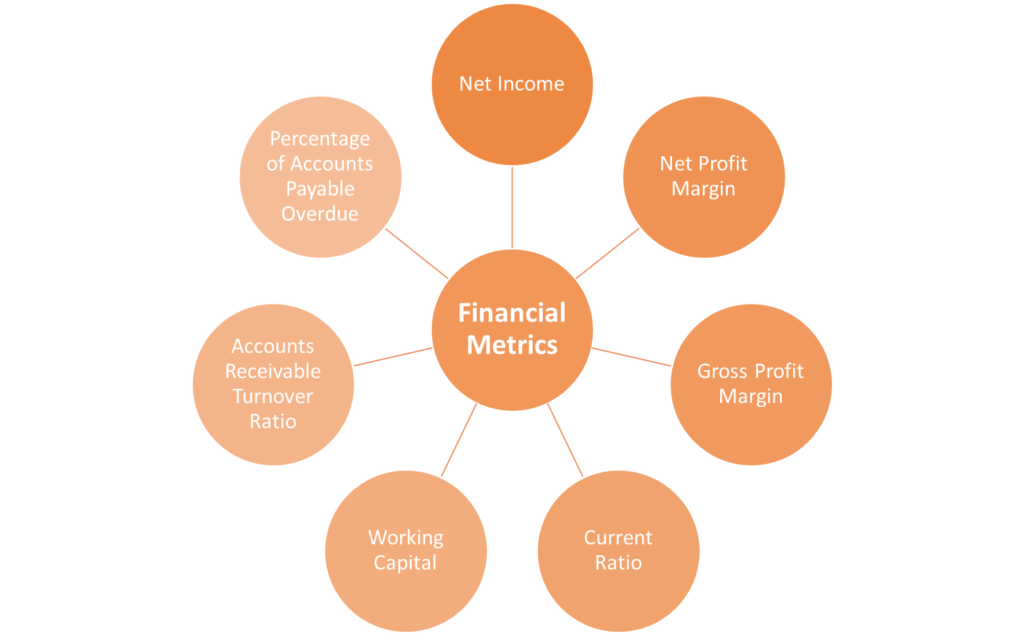
It’s easy to drown in dashboards and reports, tracking dozens of numbers that don’t actually help you make decisions. Focusing on the right business metrics matters far more than tracking everything possible.
Revenue Growth Rate
Quick answer: the most fundamental business metric to track monthly is revenue growth rate, since it immediately shows whether your business is genuinely expanding, stagnant, or shrinking compared to previous months.
Gross Profit Margin
Revenue alone doesn’t tell you if you’re actually making money efficiently. Tracking gross profit margin monthly reveals whether rising costs are quietly eating into your profitability, even while revenue looks healthy on the surface.
Customer Acquisition Cost
- How much you’re spending, on average, to acquire one new customer
- Whether that cost is rising or falling month over month
- How it compares to what a customer is actually worth over time
Customer Retention Rate
I’ve noticed business owners obsess over new customer numbers while barely tracking how many existing customers they’re actually keeping. Retention often matters more for long-term profitability than constant new acquisition.
Cash Flow, Not Just Profit
A business can look profitable on paper while genuinely struggling with cash flow month to month. Tracking actual cash in versus cash out separately from profit prevents nasty surprises.
A Real Example Worth Considering
Picture a small clothing brand in Jaipur that looked profitable every month based on total sales, but nearly ran into a cash crunch because a large chunk of revenue was tied up in unpaid wholesale invoices. Once they started tracking cash flow as its own business metric, they caught the pattern early enough to adjust payment terms.
[link to related guide about improving cash flow management here]
Website or Store Conversion Rate
For any business selling online, tracking how many visitors actually convert into paying customers reveals problems in your funnel long before revenue numbers alone would show them.
Choosing Metrics That Match Your Business Stage
Early-stage businesses benefit most from tracking customer acquisition cost and conversion rate closely, while more established businesses often shift focus toward retention and profit margin as growth priorities evolve.
[Suggested image alt text: “business owner reviewing monthly business metrics dashboard”]
FAQ
How many business metrics should I track monthly? Focus on 5-7 core metrics rather than dozens — too many numbers dilute attention from what actually matters.
Is revenue the most important business metric? It matters, but profit margin and cash flow often reveal more about actual business health than revenue alone.
Should small businesses track customer retention? Yes, retention is often more cost-effective to improve than constantly acquiring new customers.
How often should business metrics actually be reviewed? Monthly at minimum, though weekly reviews can help catch problems even earlier for fast-moving businesses.
Can tracking too many metrics actually hurt decision-making? Yes, it can create analysis paralysis — focus on the metrics most directly tied to your current business goals.
Conclusion
Tracking the right business metrics consistently gives you an honest, early picture of how your business is really doing, beyond just gut feeling. Pick a focused set that matches your current stage, review them monthly without fail, and let the numbers guide decisions before small problems become expensive ones.