Introduction
“Zero investment” sounds like a scam headline, but it’s genuinely possible to launch an online store without buying inventory or renting warehouse space upfront. The trick is understanding which business models actually allow this and which don’t. If you want to know how to start ecommerce business operations without draining your savings first, this is exactly the roadmap. It’s not effortless — you’re trading capital for time and hustle — but it’s real.
1. Choose a Zero-Inventory Business Model
Direct answer: Starting an ecommerce business with zero investment typically means using dropshipping or print-on-demand models, where you only pay suppliers after a customer places and pays for an order.
- Dropshipping — you list products, and suppliers ship directly to customers
- Print-on-demand — custom designs printed only after an order comes in
- Digital products — ebooks, templates, courses with zero physical inventory at all
- Affiliate marketing storefronts — earning commission by promoting other companies’ products
2. Pick a Specific Niche, Not a General Store
Broad stores selling “everything” struggle to build trust or brand identity. A focused niche — say, sustainable pet accessories — helps you market more effectively with a smaller budget.
3. Use Free E-Commerce Platform Tiers
Many platforms offer free trials or basic free tiers sufficient for testing a product before committing to paid plans. Shopify, WooCommerce (with a free WordPress theme), and Instagram Shopping all offer low or no upfront cost entry points.
4. Source Suppliers Through Dropshipping Marketplaces
Platforms connect you with suppliers willing to ship directly to your customers, meaning you never touch or pay for inventory upfront.
Picture a college student in Pune who started a dropshipping store for phone accessories using a free Shopify trial and Instagram for marketing. His only actual expense in month one was ₹500 on a domain name, and the store generated its first sale within three weeks.
5. Market Through Organic Social Media First
Paid ads cost money you might not have yet. Organic Instagram Reels, WhatsApp status updates, and community groups can generate initial traction without spending on advertising.
6. Use Free Design Tools
Canva’s free tier handles product mockups, social media graphics, and basic branding without needing a professional designer initially.
7. Start Selling Through Existing Marketplaces
Before building a full website, consider listing products on Instagram Shopping, Facebook Marketplace, or platforms like Meesho, which require minimal upfront setup cost.
8. Reinvest Early Profits Strategically
Once initial sales come in, reinvest into better product photography, small paid ad tests, or premium platform features rather than pocketing everything immediately.
9. Focus on Customer Service to Build Repeat Business
Zero-investment models often mean thinner margins, so retaining customers matters even more. Prompt responses and honest communication about shipping timelines build the trust that keeps people coming back.
Realistic Expectations for Zero-Investment E-Commerce
This approach requires real time investment — researching suppliers, creating content, and handling customer questions manually in the early days. It’s not passive income, despite what some online courses promise.
FAQ
Q: Is dropshipping actually profitable in 2026? A: Yes, though margins have tightened due to increased competition, making niche selection and marketing skill more important than ever.
Q: What’s the biggest risk of zero-investment ecommerce? A: Supplier reliability — poor shipping times or product quality from dropshipping suppliers directly damages your own brand reputation.
Q: How long before a zero-investment ecommerce business becomes profitable? A: Many stores see initial sales within the first month, though consistent profitability typically takes 3-6 months of testing and refinement.
Q: Do I need a business registration to start ecommerce with zero investment? A: Not immediately for very small operations, though registration becomes necessary once you scale and need proper payment gateway integration.
Q: Can I start ecommerce with zero investment using only Instagram? A: Yes, many small sellers successfully run entire businesses through Instagram Shopping and DMs before ever building a dedicated website.
Q: What’s the difference between dropshipping and print-on-demand? A: Dropshipping sells existing products from suppliers, while print-on-demand involves custom designs printed onto products only after an order is placed.
Conclusion
Learning how to start ecommerce business operations without upfront capital is genuinely achievable in 2026, but it demands real hustle in place of money. [link to related guide on ecommerce platforms comparison here] Pick one niche this week, list your first few products on a free platform tier, and focus entirely on organic marketing before worrying about scale.
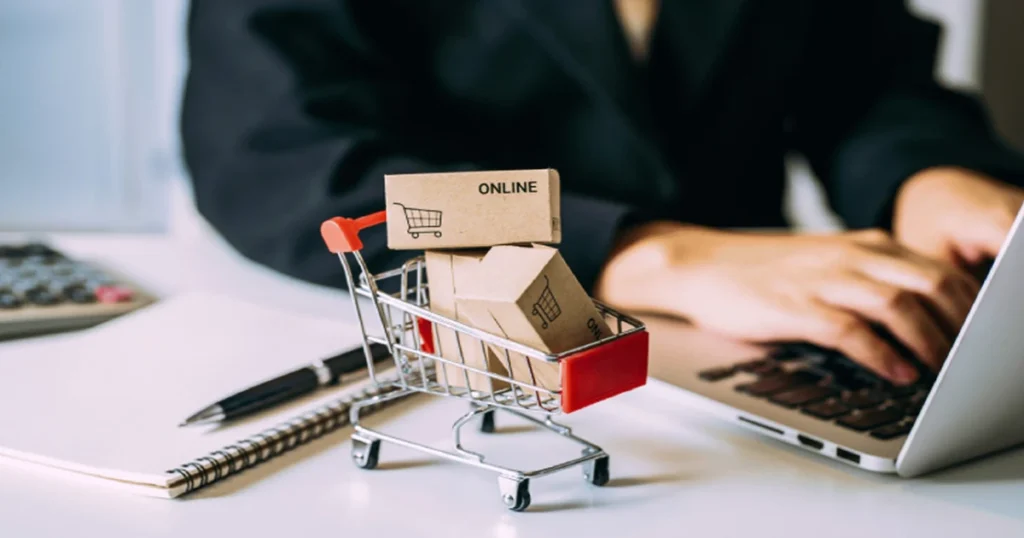
Suggested alt text: “Entrepreneur setting up ecommerce store with zero investment on laptop”